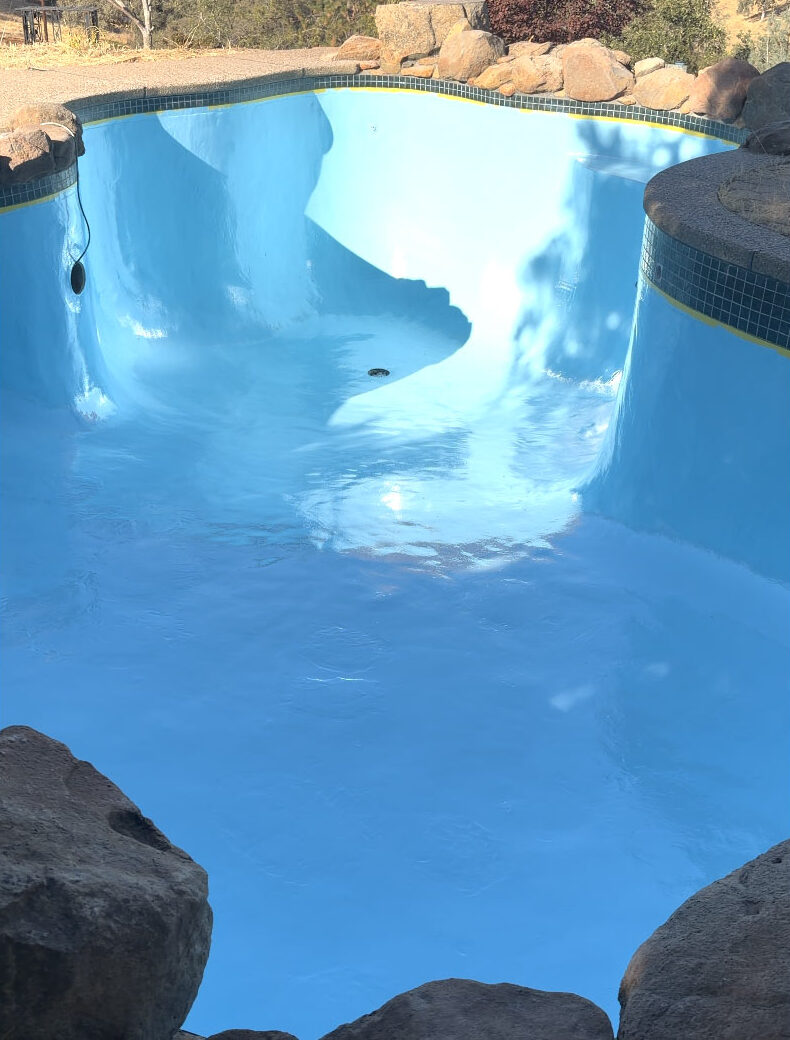
Restore the Look, Feel, and Finish of Your Pool

A worn or deteriorating pool surface can make the entire pool look older—even when the water is clean and the equipment is working properly.

El Dorado Pool Cleaning provides pool resurfacing for aging, stained, rough, cracked, or deteriorated pool interiors. We inspect the existing surface, evaluate its condition, and recommend an appropriate resurfacing option based on the pool, finish, and level of wear.

Pool resurfacing can improve appearance, create a smoother swimming surface, and help protect the underlying pool structure.

What Is Included in Pool Resurfacing?

The exact resurfacing process depends on the existing finish, condition of the pool, and the new surface being installed.

A typical resurfacing project may include:

  • Inspecting the existing pool surface

  • Evaluating cracks, staining, rough areas, and surface deterioration

  • Draining the pool

  • Preparing or removing the existing finish as needed

  • Repairing minor surface defects before resurfacing

  • Preparing fittings, drains, returns, and transition areas

  • Applying the new pool finish

  • Filling the pool

  • Initial water balancing and startup guidance

  • Inspecting the finished surface

Every pool is different. We inspect the existing condition before recommending a resurfacing approach or providing final pricing.

Pool Resurfacing Options

Traditional pool plaster provides a clean, smooth finish and remains one of the most common options for resurfacing residential swimming pools.

It can be a good choice when the existing pool surface has become:

  • Rough or uncomfortable
  • Discolored
  • Worn thin
  • Heavily stained
  • Pitted or deteriorated
  • Difficult to keep looking clean

Before new plaster is applied, the existing surface is evaluated and properly prepared so the new finish can bond correctly.

The final appearance and longevity depend on proper installation, startup, and ongoing water chemistry.

Quartz and exposed aggregate finishes offer additional texture, color, and durability compared with traditional white plaster.

These finishes are available in a range of looks and can give the pool a more customized appearance while providing a durable swimming surface.

Aggregate resurfacing may be a good option for homeowners looking for:

  • Increased surface durability
  • More color and texture choices
  • A more decorative pool finish
  • Improved resistance to normal surface wear
  • A more modern appearance

The right finish depends on the pool design, desired appearance, budget, and how the pool is used.

A successful resurfacing project starts with proper preparation.

Before installing a new finish, we inspect the pool for areas that may need additional attention, including:

  • Cracks
  • Hollow or delaminated areas
  • Damaged plaster
  • Stains
  • Surface erosion
  • Worn transition areas
  • Deterioration around fittings or drains

Minor surface defects can often be addressed as part of resurfacing preparation.

Structural cracks, plumbing leaks, movement, or significant shell damage may require additional repair before resurfacing begins. If we find something outside the scope of normal resurfacing, we’ll explain it before moving forward.
Why Choose El Dorado Pool Cleaning?

We Start With the Existing Surface

Resurfacing is not just about covering an old finish. We inspect the condition of the existing pool first so we can identify problems that should be addressed before a new surface is installed.

We Explain Your Options

Different finishes have different appearances, textures, maintenance needs, and price points. We’ll help you understand the differences so you can choose the option that makes sense for your pool.

We Set Realistic Expectations

A new surface can dramatically improve a worn pool, but resurfacing does not automatically correct every structural, plumbing, or equipment issue.

If something needs separate repair, we’ll let you know.

We Pay Attention to Water Chemistry

New pool finishes require proper startup and water balance. Incorrect chemistry during the early curing period can affect the appearance and longevity of the surface.

Straightforward Estimates

We inspect the pool and explain the scope of work before providing a resurfacing estimate.

Pool Resurfacing Service Areas

El Dorado Pool Cleaning provides pool resurfacing in:

  • Cameron Park

  • Placerville

  • Shingle Springs

  • Folsom

  • Granite Bay

  • Roseville

Contact us to confirm availability at your address.

What Pool Resurfacing Does—and Doesn’t—Fix

Resurfacing replaces or renews the interior finish of the swimming pool.

It can help correct:

* Rough pool surfaces
* Worn plaster
* Surface discoloration
* Persistent staining
* Pitting
* Surface erosion
* Aging or outdated finishes
* Minor cosmetic surface defects

Resurfacing does not necessarily correct:

* Active plumbing leaks
* Structural movement
* Major shell cracks
* Broken underground plumbing
* Damaged coping
* Loose or failing tile
* Equipment problems
* Deck cracking
* Drainage problems around the pool

If the pool has structural or mechanical issues, those may need to be repaired separately before or during the resurfacing project.

How Do I Know When My Pool Needs Resurfacing?

Pool surfaces gradually wear down from age, water chemistry, brushing, weather, and normal use.

Some common signs include:

* The surface feels increasingly rough
* Plaster is flaking, pitting, or deteriorating
* Stains no longer respond to normal cleaning
* The finish looks faded or uneven
* Bare or worn areas begin appearing
* Swimmers notice rough areas on their feet
* The pool becomes increasingly difficult to keep looking clean

Not every stain or rough spot means the entire pool needs resurfacing.

We can inspect the surface and help determine whether cleaning, localized repair, or full resurfacing makes the most sense.

Pool Resurfacing Pricing

Pool resurfacing is quoted individually because cost depends on several factors, including:

* Pool size
* Pool shape
* Existing surface condition
* Amount of preparation required
* Type of new finish
* Steps, benches, and ledges
* Attached spas
* Water features
* Repairs required before resurfacing
* Access to the pool area

We’ll inspect the pool and provide a quote based on the actual scope of work.

Frequently Asked Questions

  • 1 How much does pool resurfacing cost?

    Pool resurfacing pricing depends on the size and shape of the pool, existing surface condition, amount of preparation required, finish selected, attached spa or water features, and any repairs needed before resurfacing. We inspect the pool before providing a final quote.

  • 2 How do I know if my pool needs resurfacing?

    Common signs include rough plaster, pitting, flaking, persistent staining, fading, exposed areas, or a surface that has become uncomfortable to walk or swim against. An inspection can help determine whether resurfacing or a less extensive repair is appropriate.

  • 3 How long does pool resurfacing take?

    The timeline depends on the size of the pool, condition of the existing surface, repairs required, finish selected, weather, and curing requirements. We’ll provide an estimated schedule after inspecting the pool.

  • 4 Do you have to drain the pool?

    Yes. Pool resurfacing normally requires the pool to be drained so the existing surface can be properly inspected, prepared, and refinished.

  • 5 What type of pool finish should I choose?

    The best finish depends on your budget, preferred appearance, texture, durability expectations, and pool design. Traditional plaster, quartz, and aggregate finishes each have different characteristics.

  • 6 Can you resurface a pool with cracks?

    Minor surface cracks may sometimes be addressed during preparation. Structural cracks or movement can require additional repair before resurfacing. We inspect the pool first to determine what type of repair may be necessary.

  • 7 Will resurfacing remove pool stains?

    Resurfacing replaces the existing finish, so stains contained within the old surface are removed along with it. However, the conditions that caused staining—such as metals or poor water balance—should also be addressed to help prevent future discoloration.

  • 8 How long does a resurfaced pool last?

    The lifespan depends on the finish, installation quality, water chemistry, maintenance, and use. Maintaining properly balanced water is one of the most important factors in protecting a new pool surface.

  • 9 What happens after the pool is refilled?

    New surfaces typically require a startup process that includes careful water balancing and brushing during the initial curing period. We’ll explain the required startup care for the finish installed.

  • 9 Can I change the color of my pool when it is resurfaced?

    Yes. Resurfacing is an opportunity to change the appearance of the pool. Depending on the finish selected, you may have options for different colors, textures, and aggregate combinations.

  • 9 Do you resurface attached spas?

    Yes. Attached spas can generally be resurfaced along with the swimming pool. They are included in the project scope and estimate based on their size and condition.

  • 9 Do I need to be a weekly pool-service customer?

    No. Pool resurfacing is available as a standalone service. You do not need to sign up for weekly pool maintenance.

 
Ready to Give Your Pool a New Surface?

If your pool finish is rough, stained, worn, or simply showing its age, resurfacing can dramatically improve how the pool looks and feels.

We’ll inspect the existing surface, discuss your options, and provide a clear estimate based on the condition of your pool and the finish you choose.

Call or text 530-987-7428 to request a pool resurfacing quote.

Pool Cleaning services
Our services
Trust El Dorado Pool Cleaning for your pool, get a quote today!

Give us a call or fill out this form for a pool filter cleaning service quote!

Give Us a Call Today

(530) 987-7428

Request My Pool Resurfacing Quote

    Cleaning Maintenance Skimmer Filtration Chlorine Algae Pump Backwash Vacuum pH Level Sanitizer Brush Debris Water Test
    Cleaning Maintenance Skimmer Filtration Chlorine Algae Pump Backwash Vacuum pH Level Sanitizer Brush Debris Water Test